
Minimalism in Design: Transforming Modern Living Spaces
Minimalism in design champions simplicity, clutter-free living, and purposeful use of space. Learn its key principles, variations, real-world applications, and common pitfalls.

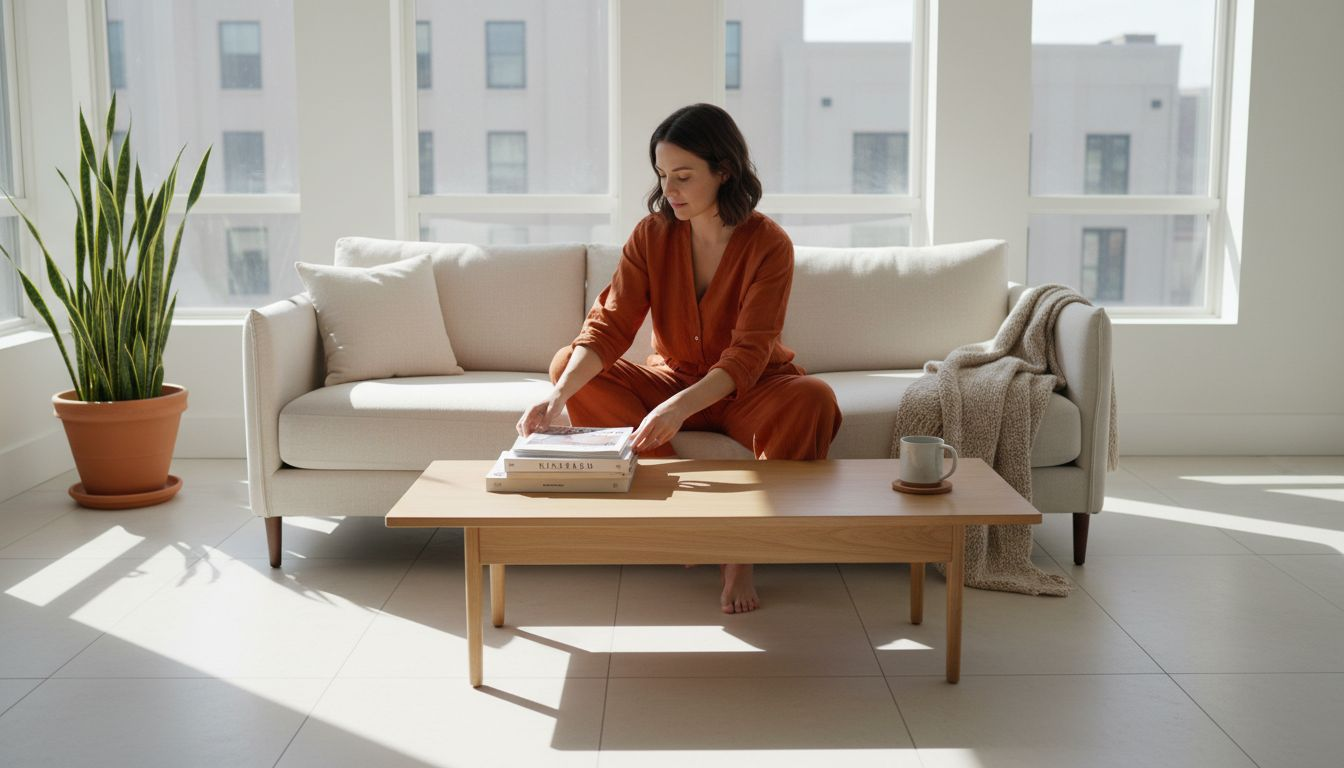
Finding simple beauty in a city apartment can feel impossible when every square foot counts. The desire to create a peaceful home without clutter drives many millennials toward minimalist design. By focusing on intentional choices and functional elegance, minimalism helps transform busy spaces into relaxing retreats. Discover how embracing this philosophy and using strategic simplicity can turn any room into a calm, purposeful environment that matches your urban lifestyle.
Table of Contents
- Defining Minimalism In Design Today
- Essential Principles And Key Misconceptions
- Types Of Minimalist Design Across Contexts
- Core Characteristics: Simplicity And Functionality
- Practical Applications In Modern Home Decor
- Common Mistakes And What To Avoid
Key Takeaways
| Point | Details |
|---|---|
| Emphasize Intentionality | Every design element should serve a clear purpose to create effective minimalism. |
| Avoid Common Misconceptions | Understand that minimalism isn’t about blandness but involves meaningful engagement and creativity. |
| Focus on Functionality | Prioritize usability and comfort in minimalist designs to ensure they are practical and inviting. |
| Curate Elements Thoughtfully | Carefully select and reduce elements in a space to enhance both aesthetics and functionality without sacrificing warmth. |
Defining Minimalism in Design Today
Minimalism is a design philosophy that transforms complex visual landscapes into elegantly simple experiences. By removing unnecessary design components, this approach creates spaces and interfaces that communicate more by showing less.
At its core, minimalist design operates through several fundamental principles:
- Intentional simplification of visual elements
- Emphasis on functional clarity
- Strategic use of negative space
- Limited but powerful color palettes
- Typography that communicates efficiently
Geometric precision characterizes minimalist approaches, where every element serves a deliberate purpose. Contemporary design contexts demonstrate that minimalism isn’t about emptiness, but about creating meaningful interactions between form and function.
Modern minimalist design transcends mere aesthetic preference—it’s a strategic approach to visual communication. By stripping away decorative excess, designers create experiences that are simultaneously intuitive and sophisticated. Spaces and interfaces become canvases where essential elements can breathe, interact, and communicate with remarkable clarity.
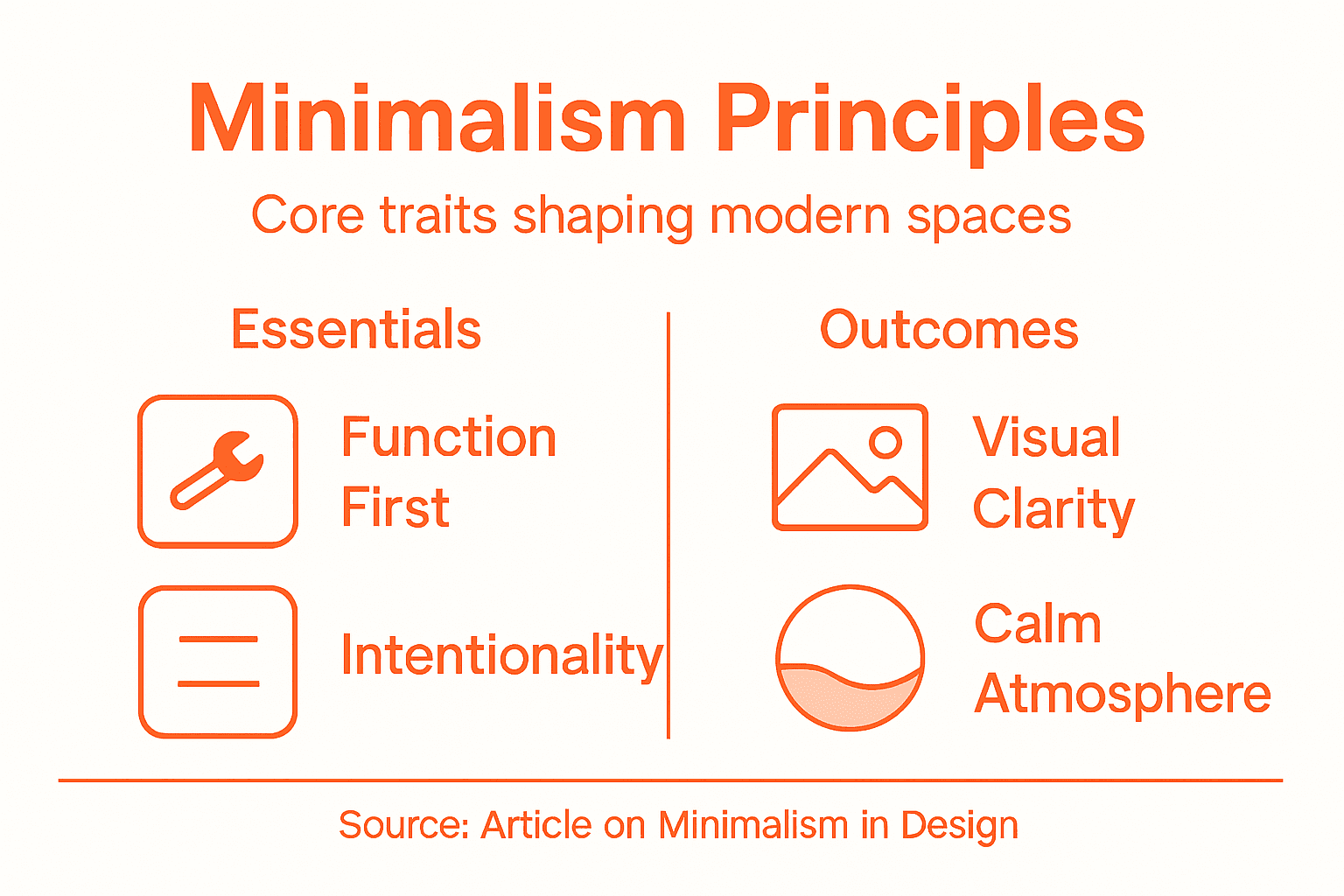
Pro Tip: When approaching minimalist design, remember that every element must earn its place—if it doesn’t serve a clear purpose, remove it.
Essential Principles and Key Misconceptions
Minimalism is far more nuanced than most people realize. Common design misconceptions often reduce this philosophy to an overly simplistic understanding of what truly constitutes elegant, functional design.
The core principles of minimalist design include:
- Intentional reduction of visual complexity
- Prioritizing functional clarity
- Creating meaningful interactions through strategic design
- Eliminating decorative elements that do not serve a purpose
- Maintaining visual hierarchy and communication effectiveness
Functional simplicity is the hallmark of true minimalist design. Minimalism fundamentally emphasizes simplicity by removing excess while preserving essential communicative power. This approach is not about creating empty spaces, but about crafting experiences where every element has deliberate significance.
Perhaps the most persistent misconception is that minimalism equals blandness or lack of creativity. In reality, minimalist design demands extraordinary creative discipline. Designers must make precise, intentional choices about form, color, typography, and spatial relationships. It requires deeper understanding and more sophisticated design skills to communicate effectively through fewer elements.
To clarify common misconceptions, here’s how real minimalist design contrasts with misunderstandings:
| Misconception | Reality in Minimalism | Implication for Designers |
|---|---|---|
| Minimalism is bland | Enables creative discipline | Demands intentional design choices |
| Only about empty space | Focuses on functional clarity | Prioritizes usability over decorative void |
| Lacks emotional appeal | Supports comfort and warmth | Can foster inviting, personal environments |
Pro Tip: When designing minimally, ask yourself: Does this element enhance understanding or merely decorate? If it doesn’t contribute meaningfully, remove it.
Types of Minimalist Design Across Contexts
Contemporary minimalist design spans multiple disciplines, each adapting the core philosophy of simplicity to its unique requirements. From graphic design to architecture, minimalism represents a sophisticated approach to visual communication that transcends traditional aesthetic boundaries.
Minimalist design manifests in several distinctive types:
- Absolute Minimalism: Extreme reduction of visual elements
- Color Minimalism: Strategic use of restrained color palettes
- Form Minimalism: Emphasis on simple geometric shapes
- Functional Minimalism: Prioritizing usability and efficiency
- Digital Minimalism: Streamlined user interfaces and digital experiences
Contemporary architectural minimalism demonstrates remarkable versatility across different design contexts. In architecture, this approach translates to clean lines, open spaces, and purposeful structural elements that communicate both form and function with remarkable clarity.
Each type of minimalist design shares a fundamental commitment to eliminating unnecessary complexity. Whether applied to digital interfaces, product design, or spatial environments, minimalism operates on the principle that every element must serve a deliberate purpose. This philosophy requires designers to make intentional choices, stripping away decorative excess to reveal the essential character of their creation.
Here’s a comparison of minimalist design types across various contexts:
| Design Type | Typical Contexts | Distinguishing Feature | Impact on Experience |
|---|---|---|---|
| Absolute Minimalism | Art galleries, branding | Extreme removal of elements | Maximum visual clarity |
| Color Minimalism | UI design, home decor | Restrained use of colors | Enhanced focus and calm |
| Form Minimalism | Architecture, products | Simplified geometric shapes | Clean, purposeful look |
| Functional Minimalism | Furniture, tech devices | Prioritized usability | Streamlined daily function |
| Digital Minimalism | Websites, apps | Lean interfaces | Fast, intuitive interaction |
Pro Tip: When exploring minimalist design, remember that simplicity is not about removing everything, but about making each element count.
Core Characteristics: Simplicity and Functionality
Minimalist design principles center on two fundamental characteristics that transform visual experiences: simplicity and functionality. These intertwined concepts drive every decision in minimalist design, creating spaces and interfaces that communicate powerfully through restraint and purpose.
The core characteristics of minimalist design include:
- Intentional elimination of unnecessary visual elements
- Emphasis on clean, purposeful typography
- Strategic use of negative space
- Limited, carefully selected color palettes
- Geometric precision in form and structure
Design principles balance complexity by ensuring that simplification never compromises usability. Minimalism is not about creating empty or stark environments, but about crafting experiences where every element serves a clear, meaningful function. This approach requires designers to make deliberate, thoughtful choices about what to include and, more importantly, what to remove.
The magic of minimalist design lies in its ability to create clarity through reduction. By stripping away decorative excess, designers can highlight the essential qualities of form, function, and communication. This approach demands exceptional creativity—it’s far more challenging to communicate effectively with fewer elements than to overwhelm with visual complexity.
Pro Tip: When approaching minimalist design, remember that every element must earn its place by serving a clear purpose or enhancing communication.
Practical Applications in Modern Home Decor
Minimalist interior design approaches transform living spaces into serene, functional environments that reflect contemporary lifestyle needs. This design philosophy goes beyond aesthetic preferences, creating homes that are both visually compelling and pragmatically efficient.
Key practical applications of minimalist home decor include:
- Multifunctional furniture with clean geometric lines
- Built-in storage solutions that eliminate visual clutter
- Neutral color palettes emphasizing natural materials
- Strategic lighting design to enhance spatial perception
- Intentional space division using minimal architectural elements
Modern home design principles prioritize open floor plans and natural light integration. By maximizing spatial flow and reducing unnecessary decorative elements, minimalist design creates environments that feel simultaneously expansive and intimate. The approach supports sustainable living through thoughtful material selection and energy-efficient design strategies.
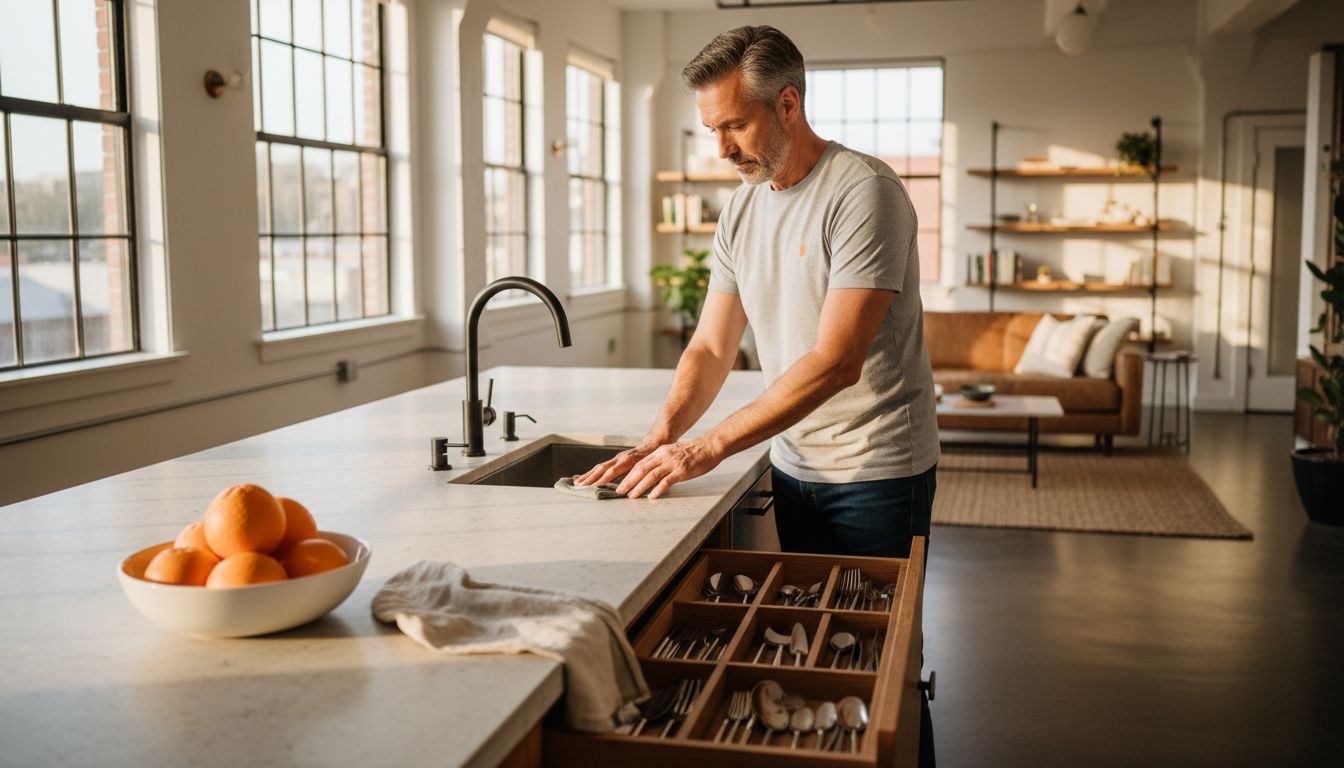
Successful minimalist home decor requires a deliberate, curated approach. It’s not about creating sterile spaces, but designing environments that support mental clarity and functional living. Each design element must serve a purpose, whether aesthetic or practical, creating a harmonious living experience that feels both intentional and effortlessly elegant.
Pro Tip: Start your minimalist home decor journey by removing one unnecessary item from each room, focusing on pieces that truly enhance your space’s functionality and aesthetic.
Common Mistakes and What to Avoid
Minimalist design challenges emerge when designers misunderstand the core philosophy of simplicity. Many well-intentioned attempts at minimalism fall short by creating spaces that feel cold, uninviting, or impractical.
Common mistakes in minimalist design include:
- Over-simplification leading to sterile environments
- Sacrificing functionality for aesthetic purity
- Ignoring personal comfort and individual expression
- Creating rigid symmetry that feels unnatural
- Neglecting the emotional dimension of living spaces
Successful minimalist design requires a nuanced balance between reduction and meaningful interaction. It’s not about removing everything, but about carefully curating elements that serve both aesthetic and functional purposes. The goal is to create spaces that feel intentional, breathable, and supportive of daily living.
Contextual understanding is crucial in avoiding minimalist design pitfalls. Every space has its unique character, and blindly applying minimalist principles without considering the specific environment can result in disconnected, lifeless interiors. The most effective minimalist designs respond to their surroundings, integrating simplicity with the inherent energy and needs of the space.
Pro Tip: Before eliminating design elements, ask yourself: Does this item contribute to the space’s functionality, comfort, or emotional resonance?
Elevate Your Living Space with Thoughtful Minimalist Solutions
Minimalism is about purposeful design that removes clutter and highlights what truly matters in your space. If you are ready to embrace functional simplicity and transform your home into a calming, efficient environment this is the moment to act. Our collection at Montera & Co. features modern products crafted with clean lines, smart usability, and durable quality to support your minimalist lifestyle.

Discover a carefully curated selection of smart living gadgets, streamlined home decor, and versatile lifestyle accessories designed to enhance clarity and comfort in your daily life. Make every element count by shopping today at Montera & Co… Start your journey towards a serene and purposeful living space now with exclusive items that combine design and function perfectly.
Frequently Asked Questions
What are the core principles of minimalist design?
The core principles of minimalist design include intentional reduction of visual complexity, prioritizing functional clarity, creating meaningful interactions through strategic design, eliminating decorative elements that do not serve a purpose, and maintaining visual hierarchy and communication effectiveness.
How can I incorporate minimalist design in my home decor?
You can incorporate minimalist design in your home by using multifunctional furniture, built-in storage solutions to reduce clutter, neutral color palettes, strategic lighting, and intentional space division using minimal architectural elements.
What common mistakes should I avoid in minimalist design?
Common mistakes in minimalist design include over-simplification that leads to sterile environments, sacrificing functionality for aesthetics, ignoring personal comfort, creating rigid symmetry, and neglecting the emotional dimension of living spaces.
How does minimalist design differ across various contexts?
Minimalist design differs across various contexts by adapting its principles to suit unique requirements. For example, absolute minimalism may focus on extreme reduction, while functional minimalism prioritizes usability. Each type shares a commitment to eliminating unnecessary complexity to enhance clarity and purpose.